Creating a comfortable and inviting dining room can feel like a daunting task. With busy schedules and endless responsibilities, who has the time or energy to overhaul their space? That’s why I put together this guide on 15 dining room design ideas for comfortable everyday living. With a growing focus on eco-friendly choices, I wanted to inspire you to create a dining area that not only looks good but also feels good for you and the planet.
If you’re someone who loves finding unique ways to express your personality through home decor, this post is for you. Whether you’re looking to spruce up your space for family dinners or intimate gatherings with friends, these design ideas will help you create cozy dining spaces that are functional and stylish. You’ll find tips that resonate with modern aesthetics while also embracing sustainability, making it easier to enjoy everyday meals with a clear conscience.
In this post, you’ll discover a variety of ideas that blend comfort, eco-friendliness, and style. From rustic reclaimed wood furniture to biophilic designs filled with indoor plants, there’s something here for everyone. Let’s get started on transforming your dining area into a warm, inviting haven.
Key Takeaways
– Discover eco-friendly dining room furniture arrangements that prioritize comfort and sustainability.
– Explore modern dining room ideas that incorporate rustic elements and natural materials.
– Learn how to use indoor plants for a biophilic design, enhancing your space’s comfort and style.
– Get tips on selecting stylish dining room accessories that reflect your personality while being eco-conscious.
– Find out how to create cozy dining spaces that are perfect for everyday living, making every meal special.
1. Rustic Reclaimed Wood Furniture
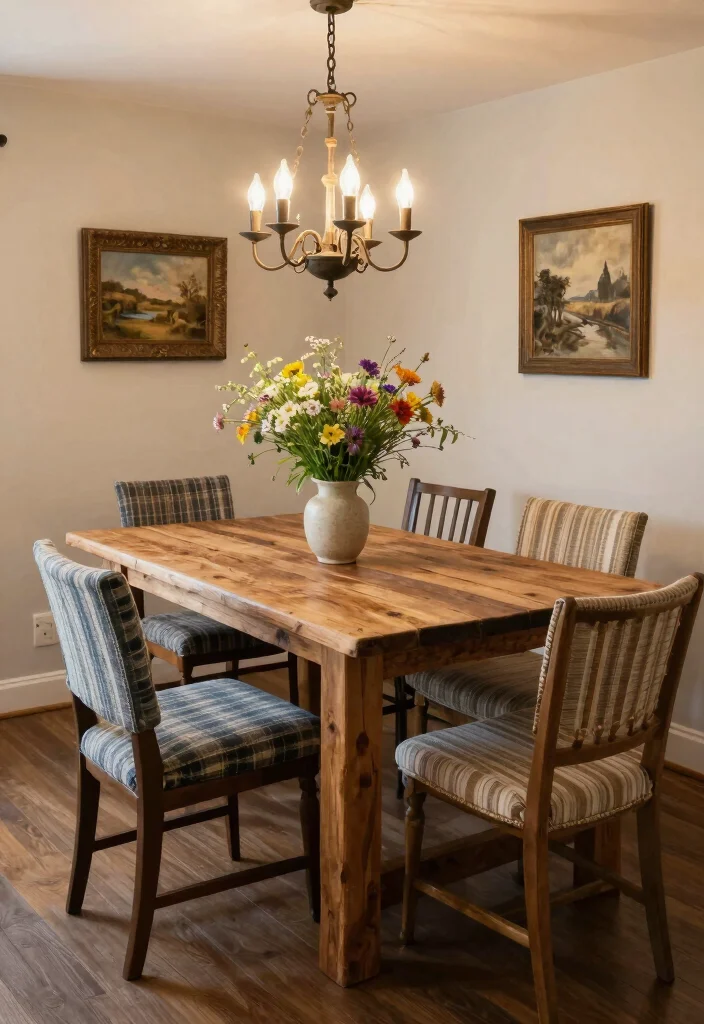
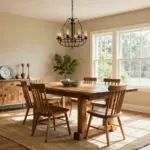
Reclaimed wood furniture serves as a beautiful foundation for a cozy dining room. This choice not only carries a rich history but also promotes sustainability by repurposing materials. Imagine a sturdy table crafted from old barn wood, paired with vintage chairs, creating a warm and inviting atmosphere that feels both timeless and unique.
To make the most of reclaimed wood, consider these practical tips:
– Seek out tables and chairs made from reclaimed materials.
– Pair them with soft cushions for extra comfort.
– Opt for natural stains to enhance the wood’s inherent beauty.
This style brings warmth and character to your space, making every meal feel special. Adding a matching sideboard or display shelf made from the same reclaimed wood can create a harmonious and cohesive look throughout the room.
2. Eco-Friendly Wall Paints
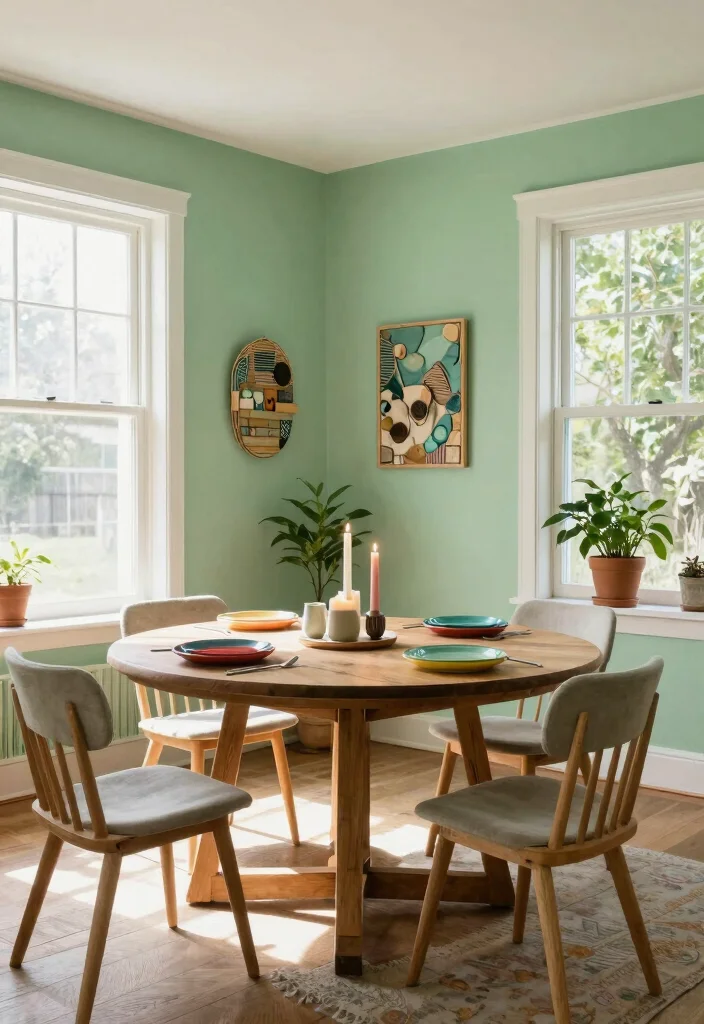
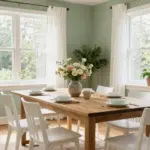
The right wall color can transform your dining room into a serene retreat. Choosing eco-friendly paints made from natural ingredients allows for a healthy space without harmful chemicals. Look for options labeled as low-VOC or zero-VOC to keep your indoor air quality fresh and clean.
Here are some ideas to enhance your environment:
– Soft greens and blues encourage a calming atmosphere.
– Warm neutrals create an inviting feel.
– Bold accent colors can be used on a single wall for a dramatic touch.
When selecting your paint, consider how natural light interacts with your chosen colors. Soft hues can reflect light beautifully, brightening your dining area while maintaining a cozy ambiance.
Choosing eco-friendly wall paints with low-VOC formulas protects indoor air while you redecorate. Start with soft greens or warm neutrals to support calming dining room design ideas, and apply bold accents on a single wall for impact without overwhelm.
3. Biophilic Design with Indoor Plants
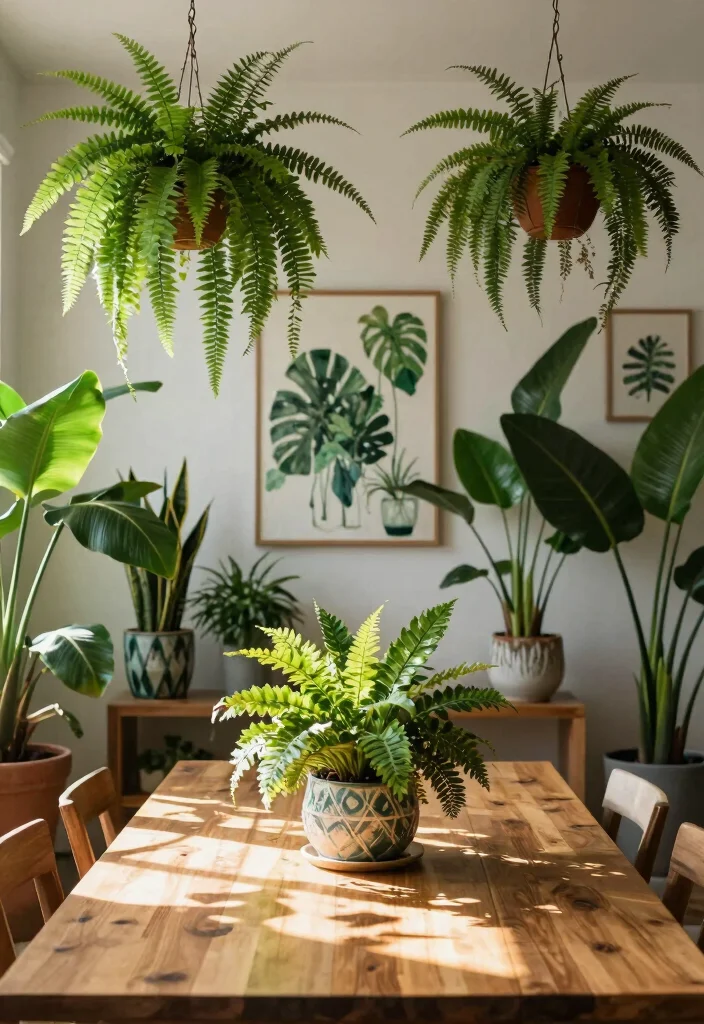
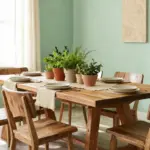
Bringing greenery into your dining room not only elevates aesthetics but also purifies the air. Biophilic design fosters a connection with nature, making your space feel vibrant and alive. Picture lush plants adorning your table or hanging above, enriching the dining experience in every way.
To incorporate plants effectively, try these ideas:
– Hang planters with trailing vines above the table.
– Place potted herbs like basil or rosemary on the dining table.
– Use large leafy plants in corners to draw the eye upward.
Plants not only beautify but also reduce stress, creating a welcoming atmosphere. Consider crafting a natural centerpiece using small potted plants instead of traditional flowers for an eco-friendly touch.
Fun fact: Biophilic design can cut stress during meals by up to 25%. Greenery also improves perceived air freshness, making your dining room design ideas feel brighter. Hang trailing planters to start.
4. Upcycled Vintage Decor
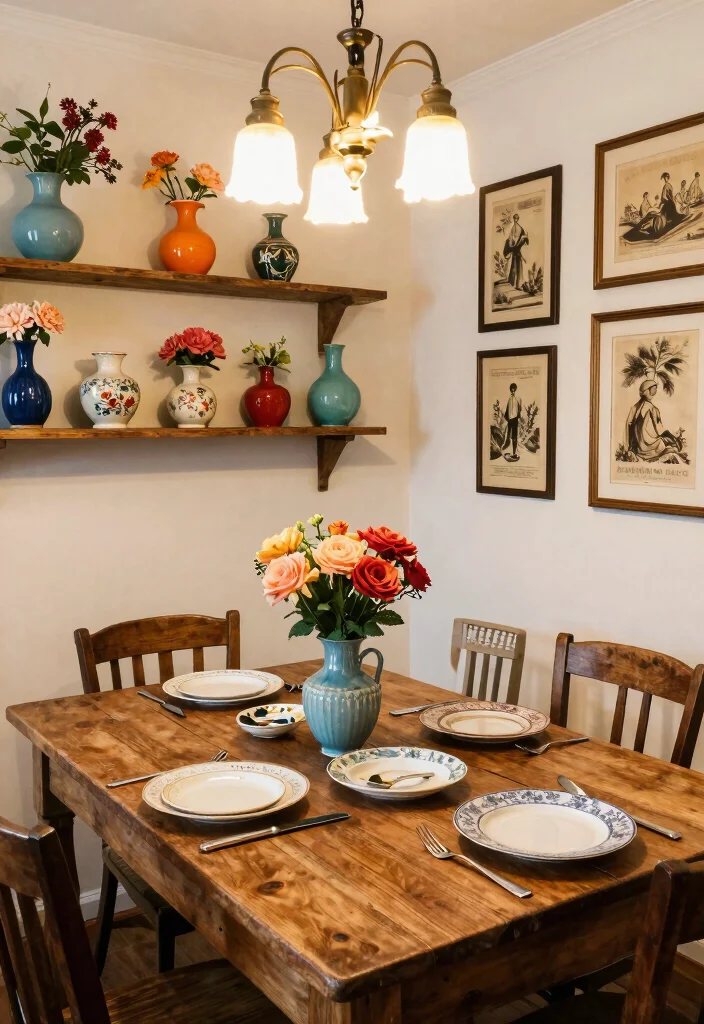
Infuse character into your dining room with upcycled vintage decor. This approach showcases your unique personality while promoting sustainability. Vintage finds, from art pieces to quirky serving dishes, can add charm and warmth to your dining experience.
Here’s how to bring vintage decor into your home:
– Explore flea markets or thrift stores for second-hand treasures.
– Repurpose old glass jars as candle holders or vases.
– Mix and match dishes for an eclectic dining experience.
Upcycled items tell stories and spark conversations, making mealtimes more memorable and enjoyable.
5. Natural Fiber Textiles
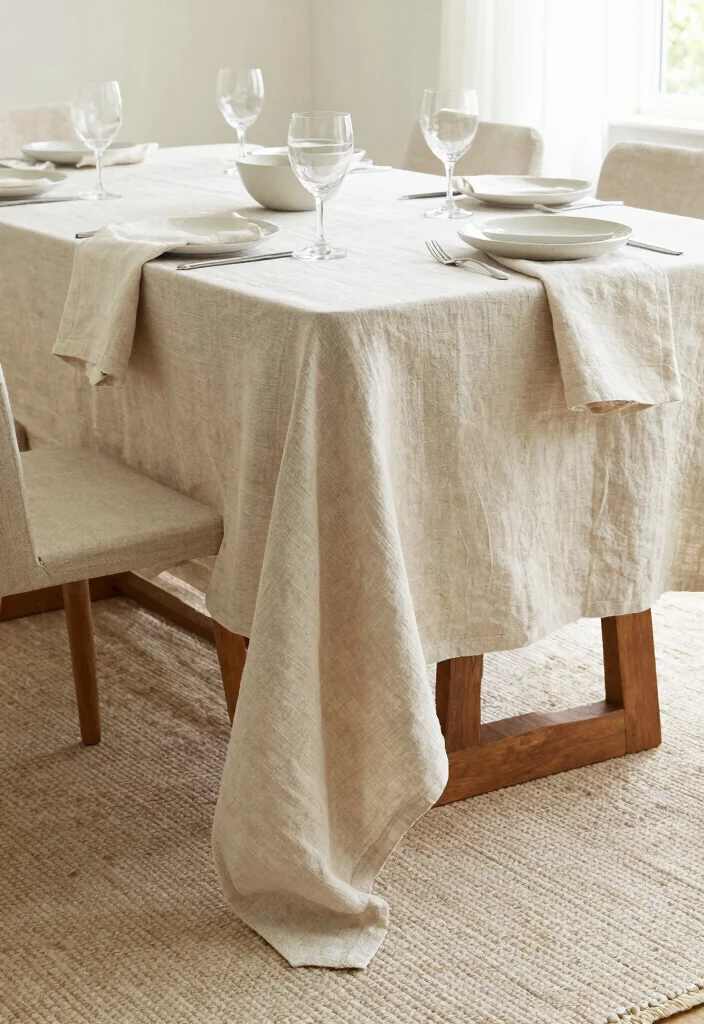
Natural fiber textiles like cotton, linen, and wool can significantly enhance your dining room’s comfort. These materials not only bring a cozy touch but are also more environmentally friendly than synthetic options. Imagine a beautifully set table with soft linen tablecloths and cotton napkins.
Consider these textile choices for your dining space:
– Use elegant linen tablecloths to add sophistication.
– Choose soft cotton napkins for a casual yet refined look.
– Incorporate wool rugs to define the dining area and improve acoustics.
Opting for natural fibers supports sustainable practices, allowing you to select textiles dyed with eco-friendly methods for an even greater impact.
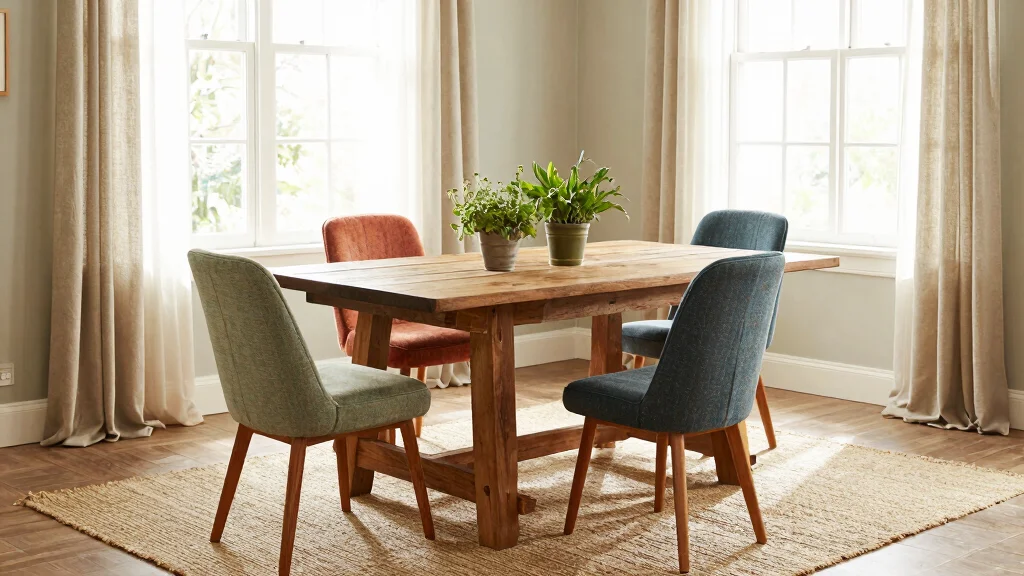
6. Sustainable Dining Chairs
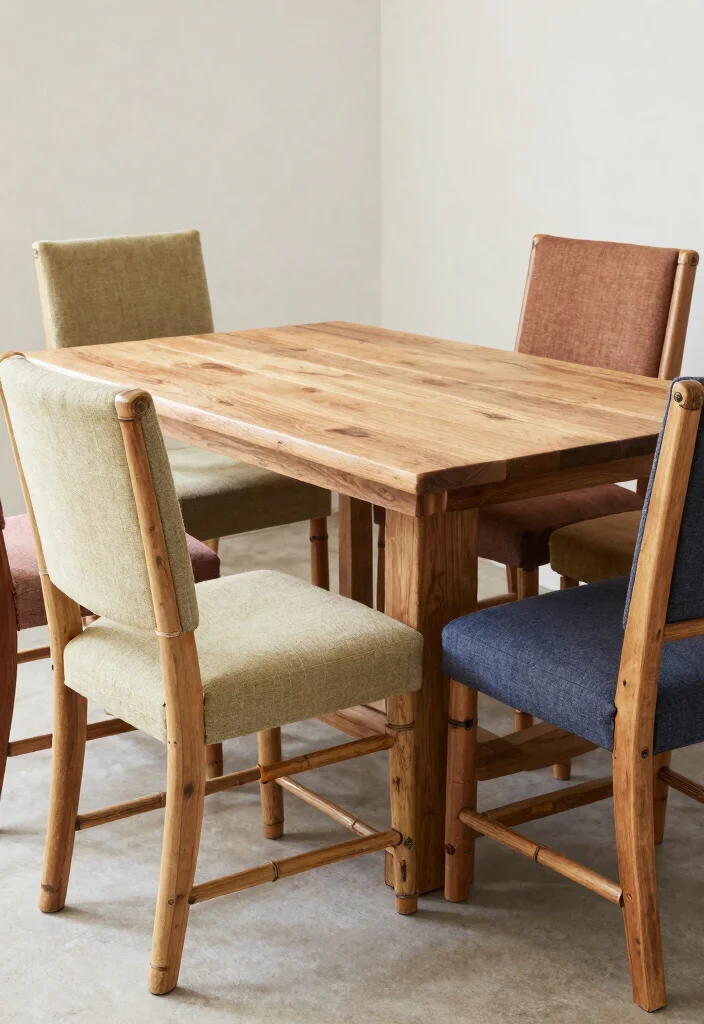
Choosing dining chairs made from sustainable materials greatly enhances your dining room’s eco-friendliness. Look for options crafted from bamboo, recycled metals, or responsibly sourced wood. These chairs can be both stylish and comfortable, ensuring you enjoy long meals with loved ones.
Here are some tips for selecting the perfect dining chairs:
– Opt for comfortable designs to encourage relaxed dining.
– Consider upholstery made from organic cotton or recycled fabrics.
– Mix different styles for a personalized touch while keeping sustainability in mind.
Prioritizing comfort alongside eco-friendliness ensures that every meal is a pleasurable experience.
Fun fact: Chairs made from bamboo or recycled metals can cut a room’s footprint by up to 35% compared with traditional wood. These eco-friendly options fit into smart dining room design ideas—comfortable upholstery and responsibly sourced wood for a stylish, lasting space.
7. Eco-Conscious Lighting Fixtures
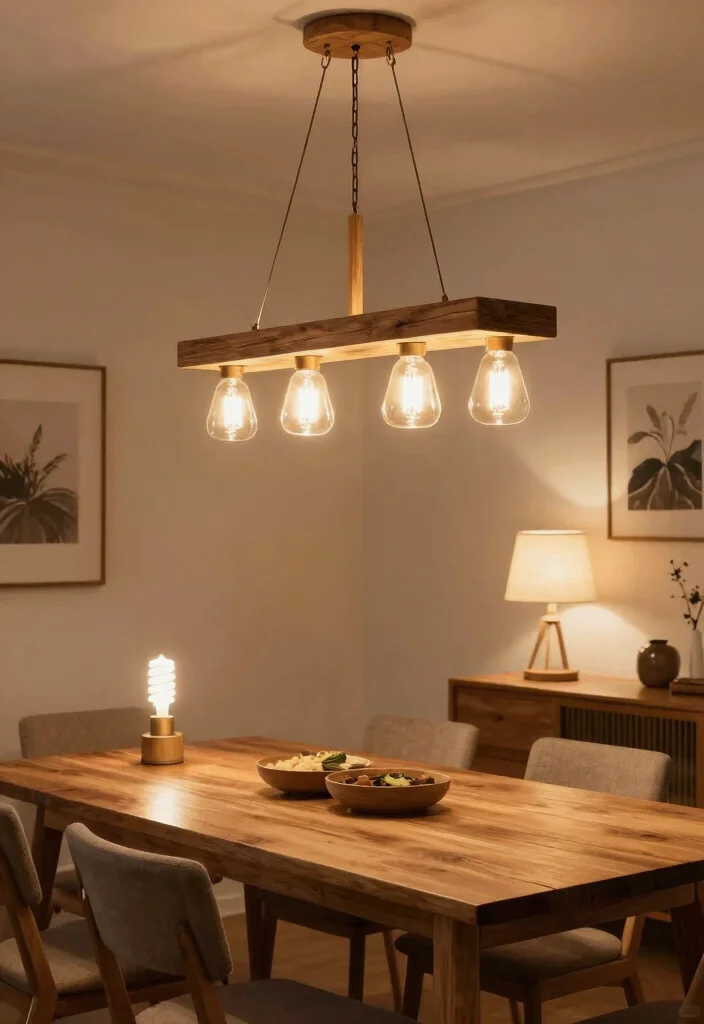
Lighting plays a crucial role in creating the right mood in your dining room. Select eco-conscious lighting solutions that utilize LED bulbs or fixtures made from recycled materials. Imagine the warm glow of pendant lights crafted from reclaimed wood illuminating your meals.
Here are some lighting ideas to brighten your space:
– Use pendant lights from reclaimed wood or metals.
– Incorporate table lamps with energy-efficient bulbs for warm ambiance.
– Install dimmer switches to adjust lighting as needed.
Green lighting options enhance aesthetics while saving energy, making your dining room the ideal spot for entertaining.
Cost Breakdown & Budget Planning
Creating a comfortable and eco-friendly dining room involves smart budgeting. Here’s a detailed guide to help you plan your spending effectively.
Cost Breakdown by Category:
– Materials/Products: Expect to spend between $800 and $3,000. This includes eco-friendly furniture, sustainable materials, and stylish accessories. Prices vary depending on quality and brand.
– Tools/Equipment: If you’re taking a DIY approach, tools like paintbrushes, drills, and measuring tapes can cost around $50 to $200. This is optional but may be necessary for installation and assembly.
– Labor/Professional Installation: Hiring a professional can range from $300 to $1,000, depending on the complexity of your project. If you’re installing fixtures or assembling custom furniture, this might be a wise investment.
– Optional Extras: For things like wall art, centerpieces, or decorative items, budget an extra $100 to $500. These add personal touches that make the space feel inviting.
Budget Tier Breakdown:
Basic Economy Tier $
– What’s included: This tier covers essential items like basic sustainable furniture and low-cost eco-friendly decor.
– Good for: You if you’re just starting out or only need minor updates to your space.
– Limitations: You’ll miss out on high-quality materials and stylish accessories that enhance comfort and aesthetics.
Mid-Range Tier $$
– What’s included: This option features a good balance of quality and style. You’ll find better furniture, lighting fixtures, and a selection of sustainable textiles.
– Good for: Most people looking to create a cozy dining area without overspending.
– Best value for: Those who want a well-designed space that feels inviting yet doesn’t break the bank.
Premium Tier $$$
– What’s included: This tier offers top-quality, eco-friendly materials, custom furniture, and beautiful accessories.
– Good for: You if you want a luxurious dining experience and have specific styles in mind.
– Worth it if: You’re looking to invest in durable, stylish elements that will last for years.
Money-Saving Tips:
– Shop Sales: Look for seasonal discounts or clearance items at your favorite home decor stores. You can save big on dining room furniture and accessories.
– DIY Decor: Create your own centerpieces or wall art using natural materials. Get creative with things you already have or can source easily.
– Buy Second-Hand: Check local thrift shops or online marketplaces for gently used dining room furniture. You can often find unique pieces that give your space character without the hefty price tag.
– Opt for Paint Instead of New Furniture: A fresh coat of eco-friendly paint can change the look of your dining room dramatically. This is a cost-effective way to refresh your space without spending a fortune.
Where to Splurge:
– Quality Dining Table: Investing in a sturdy, sustainably sourced dining table can last for decades. It’s the centerpiece of your dining area and worth the investment.
– Comfortable Dining Chairs: Comfort is key for everyday living. Spend a bit more on eco-friendly chairs that provide support and match your decor style.
– Unique Accessories: Items like an elegant centerpiece or bespoke wall art can elevate your dining room’s aesthetic. These are where special touches can make a big impact.
By following this budget guide, you will have a clear plan for your dining room design ideas. Remember, it’s about finding the right balance between quality and cost while creating a cozy and inviting space for everyday living.
8. Minimalist Table Settings
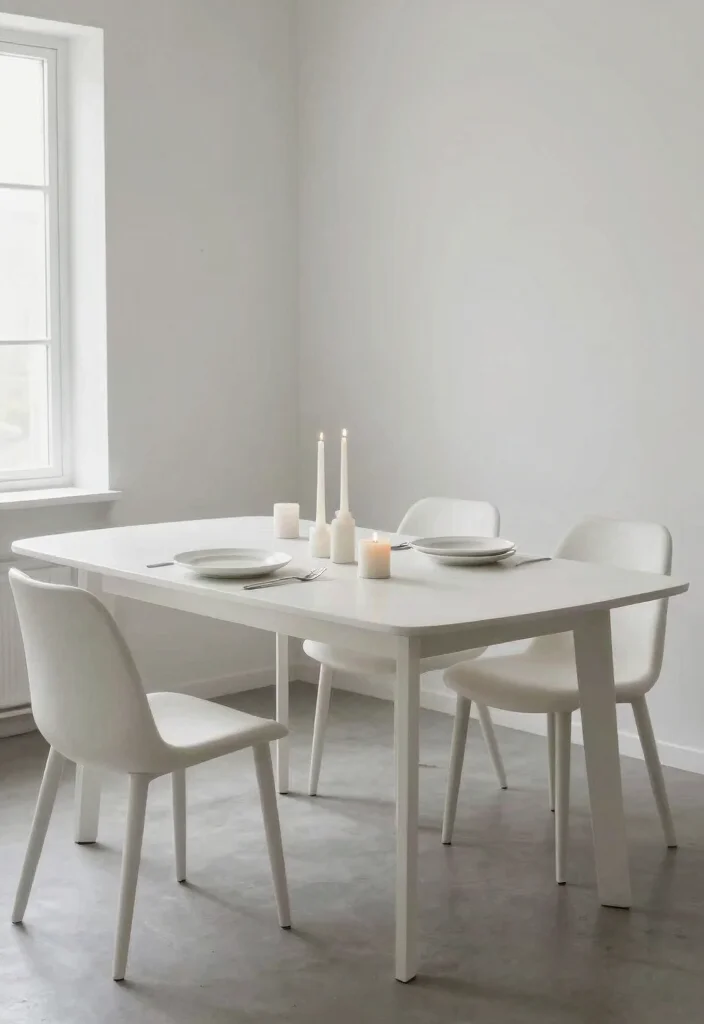
Adopting a minimalist approach to your dining room decor streamlines the space and fosters a calming environment. Focus on essential items, utilizing clean lines and neutral colors to establish an inviting atmosphere. Picture a simple table set with white dishware and understated centerpieces.
Implement these minimalist table setting tips:
– Use simple white dishware paired with natural wood or stone pieces.
– Keep centerpieces low and subtle, like small potted plants or candles.
– Limit accessories to avoid clutter.
This design philosophy emphasizes quality over quantity, allowing your dining room’s beauty to shine while simplifying cleanup.
Minimalist Table Settings
Editor’s Choice





9. Earthy Color Palettes
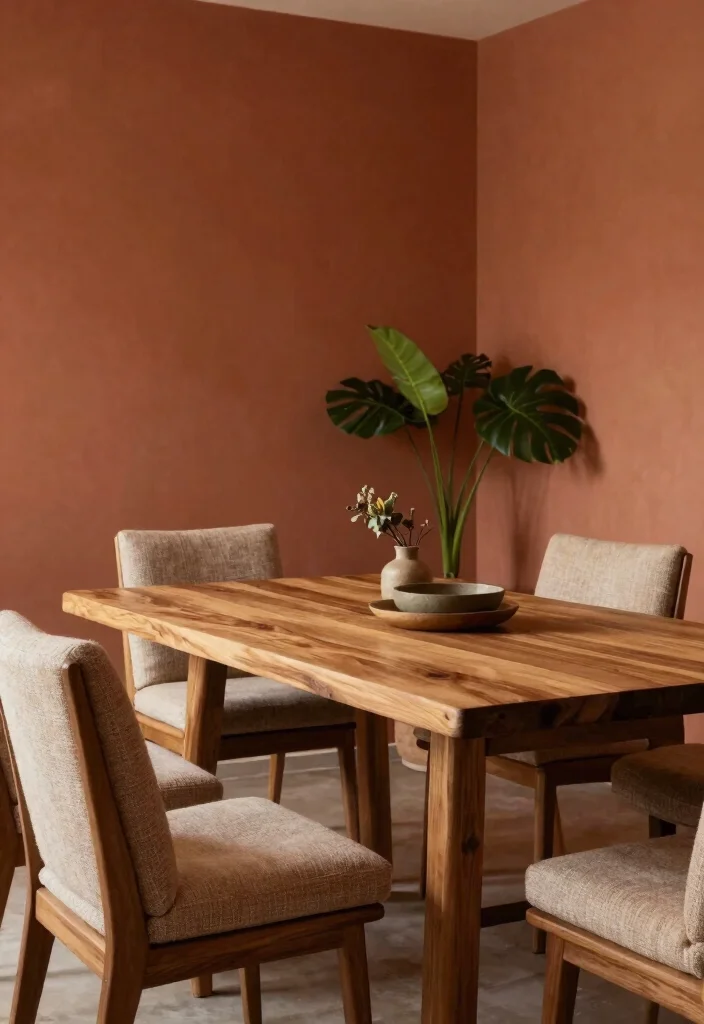
Incorporating earthy color palettes into your dining room can evoke warmth and comfort. Shades like terracotta, sage green, and warm browns create a connection to nature. Visualize your walls bathed in soft earthy tones, inviting relaxation.
Here are ways to apply these colors effectively:
– Use earthy shades on walls or large furniture to ground the space.
– Add accent colors through artwork or textiles.
– Balance darker hues with lighter textures for an airy feel.
Earthy colors cultivate a relaxed atmosphere, perfect for enjoying meals and building memories with family and friends.
10. Natural Stone Accents
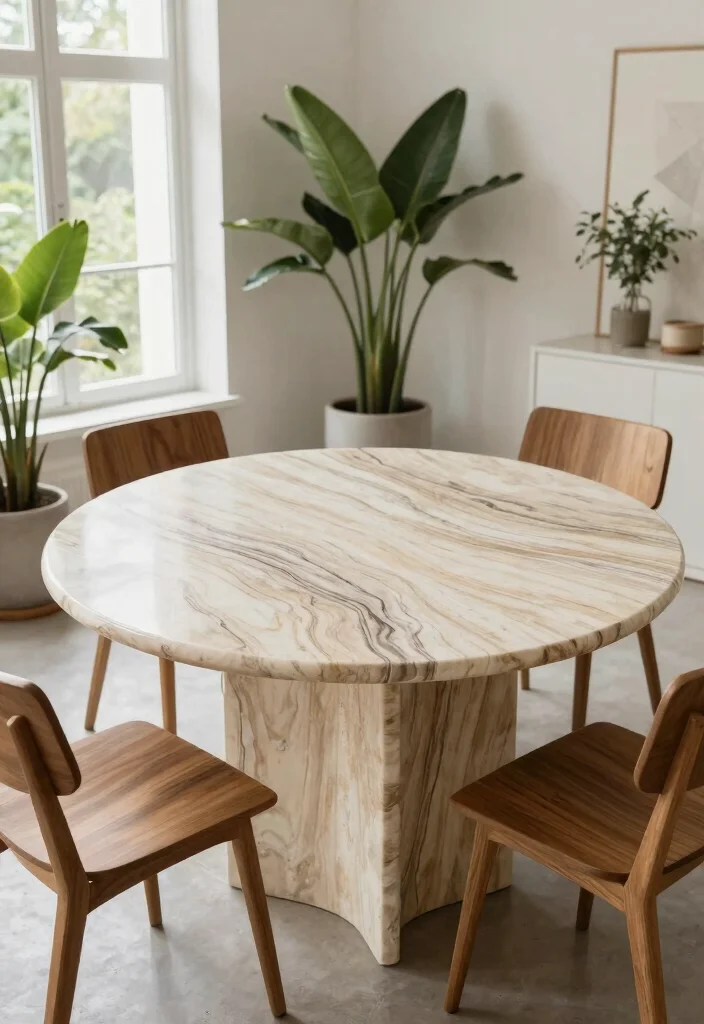
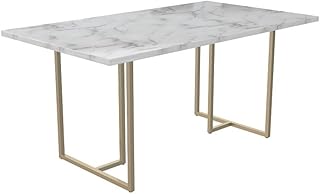
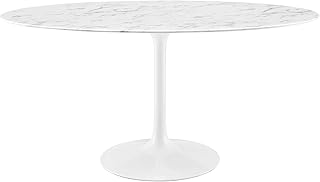
Natural stone accents bring a timeless elegance to your dining area while being eco-friendly. Think about incorporating materials like marble or granite in your tabletops or decorative elements. Picture a stunning marble table paired with wooden bases, creating a beautiful contrast.
Consider these stone accent ideas:
– Use a marble or granite tabletop with wooden bases for contrast.
– Incorporate stone accessories like bowls for serving.
– Use stone in flooring or as decorative wall features.
Choosing stone materials ensures durability and an environmentally friendly choice, providing a sophisticated finish that lasts.
Natural Stone Accents
Editor’s Choice



11. Multi-Functional Spaces
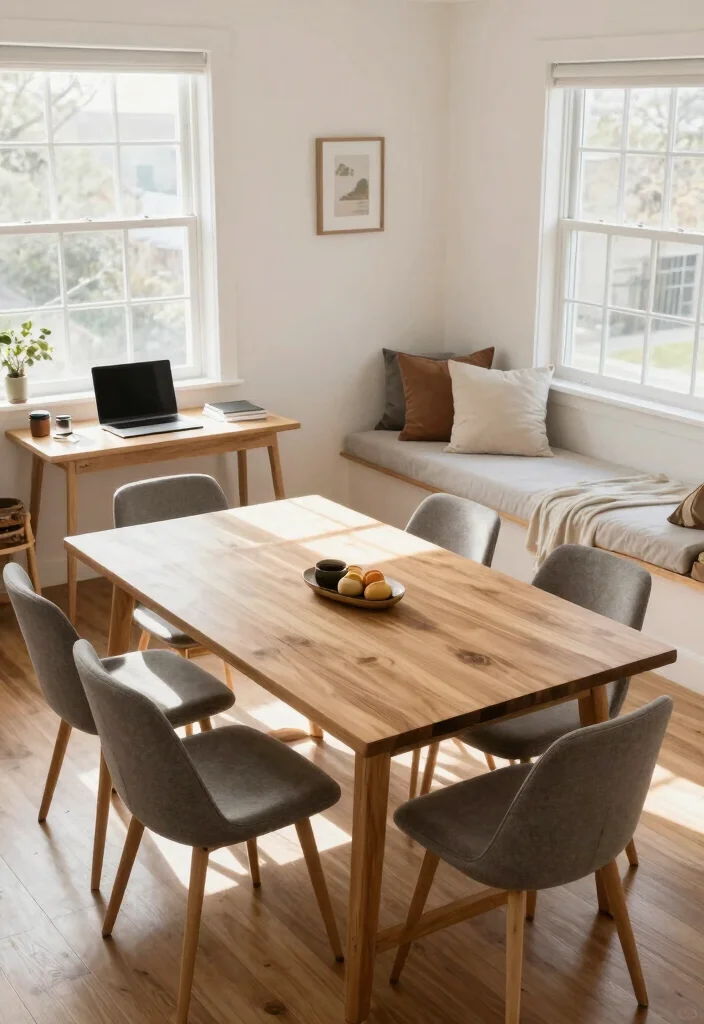
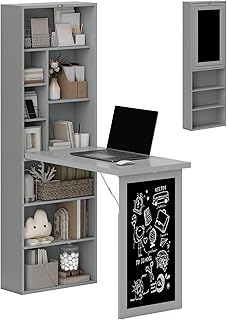
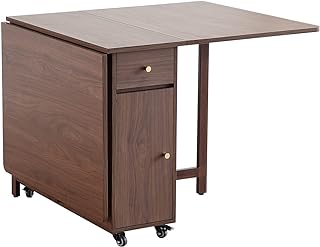
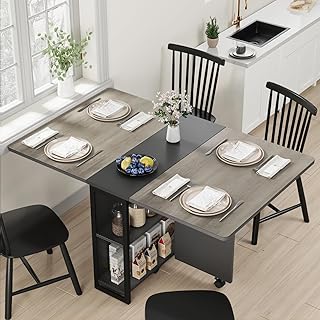
Designing your dining room as a multi-functional space maximizes its utility and comfort. Think about how you can use the area for more than just mealtime. Imagine a cozy nook for reading, with a small workspace tucked away.
Here are some ideas to create a versatile dining space:
– Incorporate a small desk in a corner for a workspace.
– Use the dining table for crafting or games when not in use.
– Create a cozy nook for reading or relaxing.
This design approach allows your dining room to adapt to your lifestyle while maintaining its stylish appearance.
Multi-Functional Spaces
Editor’s Choice


12. Sustainable Tableware
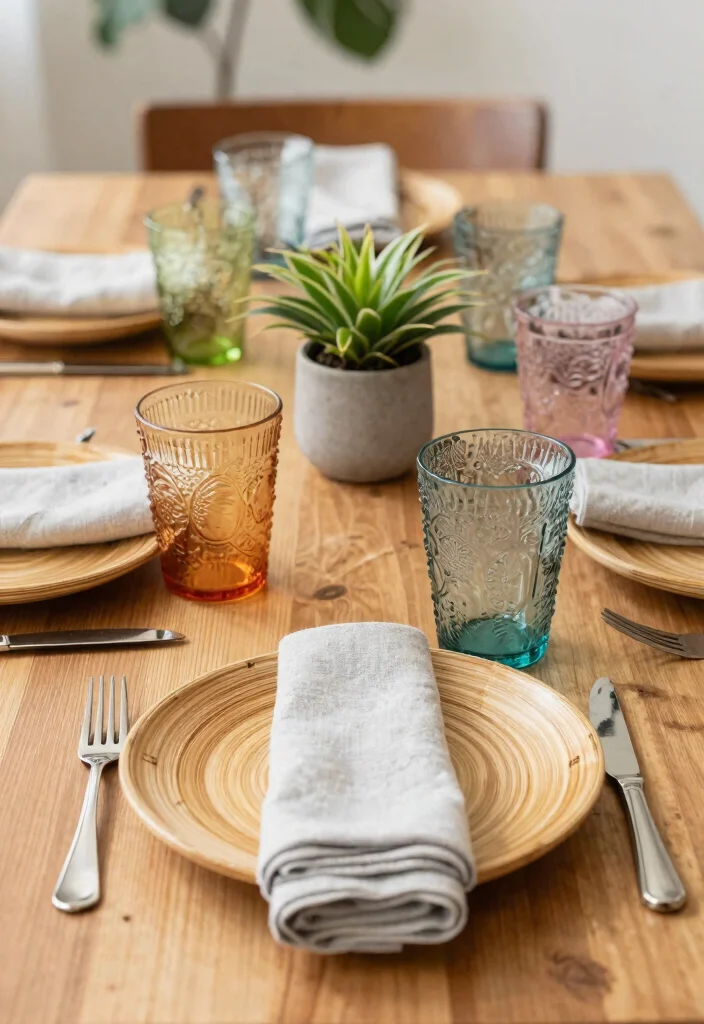
Investing in sustainable tableware is a smart way to promote eco-friendly dining. Opt for plates, utensils, and glassware made from materials like bamboo, recycled glass, or biodegradable options. Visualize your table set with beautiful bamboo plates and utensils.
Consider these tableware suggestions:
– Choose bamboo plates and utensils for a unique look.
– Use reusable cloth napkins instead of disposable ones.
– Select glassware made from recycled materials for added color.
Sustainable tableware not only enhances your dining experience but also supports a conscious lifestyle.
13. Elegant Eco-Friendly Centerpieces
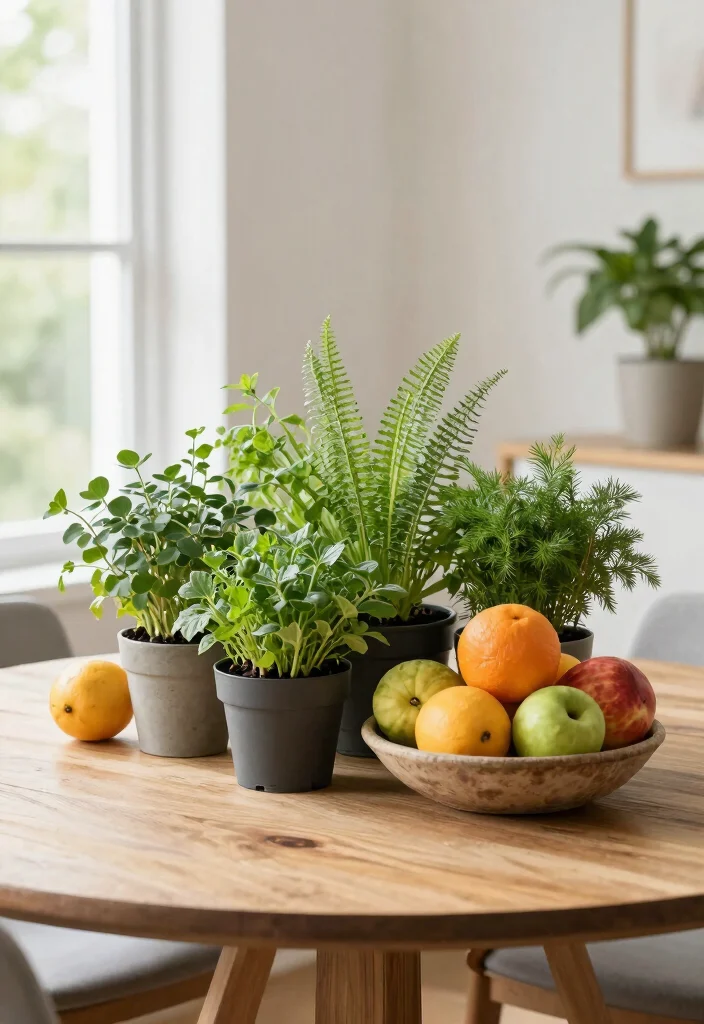
Create stunning centerpieces that align with your eco-friendly values using natural elements. Fresh fruits, vibrant flowers, or herbs from your garden can be beautifully arranged to enhance your dining table. Imagine a centerpiece filled with colorful citrus slices or potted herbs.
Here are some centerpiece ideas to inspire you:
– Arrange fresh fruit, like citrus slices, in a bowl.
– Use potted herbs for cooking and garnishing meals.
– Incorporate dried flowers or branches in biodegradable vases.
These centerpieces not only beautify your table but can also add flavor and flair to your dining experience.
Elegant Eco-Friendly Centerpieces
Editor’s Choice





14. Smart Storage Solutions
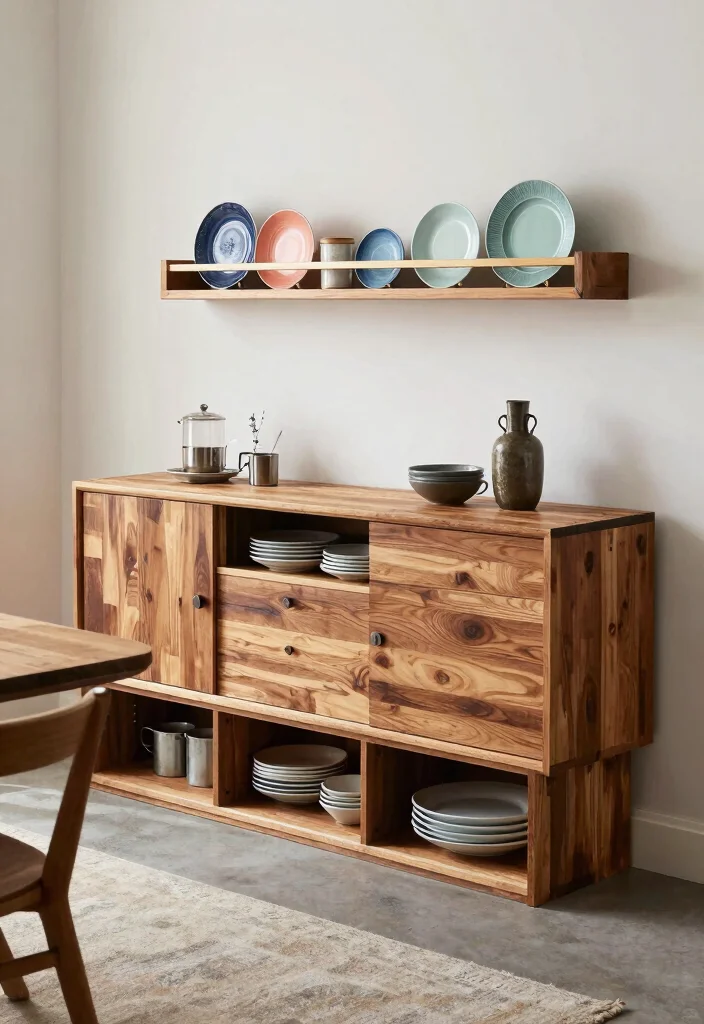
In a cozy dining room, effective storage solutions are key to maintaining a tidy space. Explore creative ways to store dining essentials while keeping aesthetics in mind. Picture a stylish sideboard that holds your dishware and utensils, enhancing both functionality and design.
Here are some smart storage ideas:
– Use a sustainable sideboard for storing dishware.
– Incorporate storage benches that double as seating.
– Hang shelves to display beautiful tableware while keeping them accessible.
Effective storage not only enhances functionality but also keeps your dining area organized and inviting for guests.
Smart Storage Solutions
Editor’s Choice





15. Personal Touches with Art
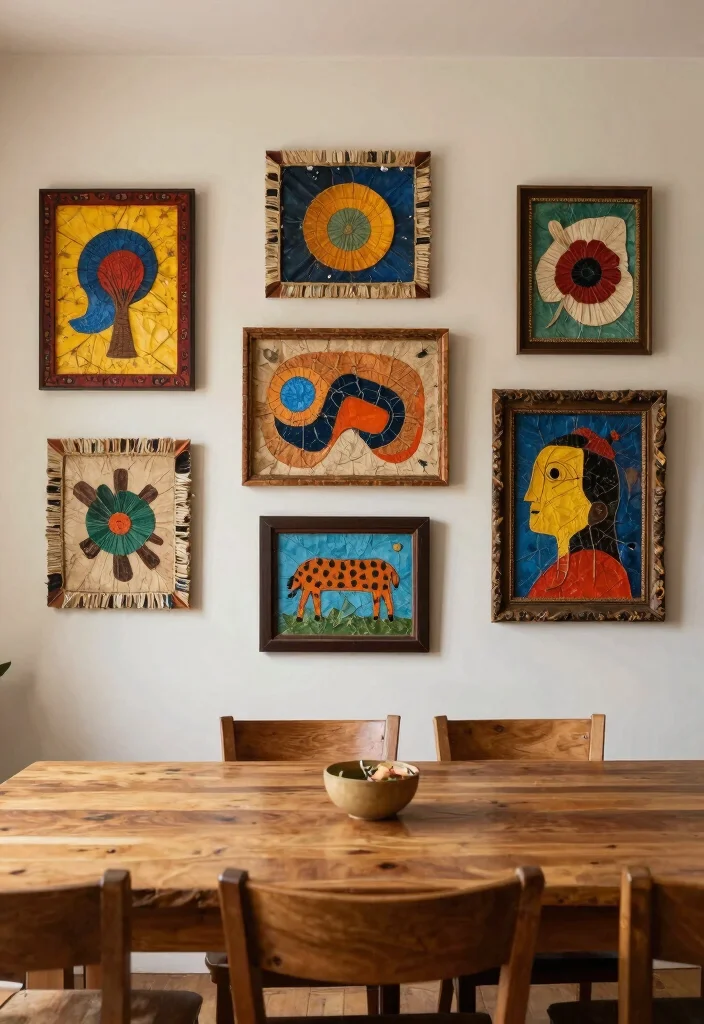
Add personality to your dining room by displaying art that reflects your style and values. This could be anything from paintings to sculptures, or even wall hangings crafted from recycled materials. Imagine a vibrant gallery wall showcasing local artists’ work.
Here are some tips for incorporating art into your space:
– Choose pieces that resonate with you for a meaningful environment.
– Create a gallery wall to display multiple artworks creatively.
– Support local artists who prioritize sustainable practices in their work.
Art adds character and interest to your dining area, creating a lively backdrop for meals and gatherings.
Conclusion
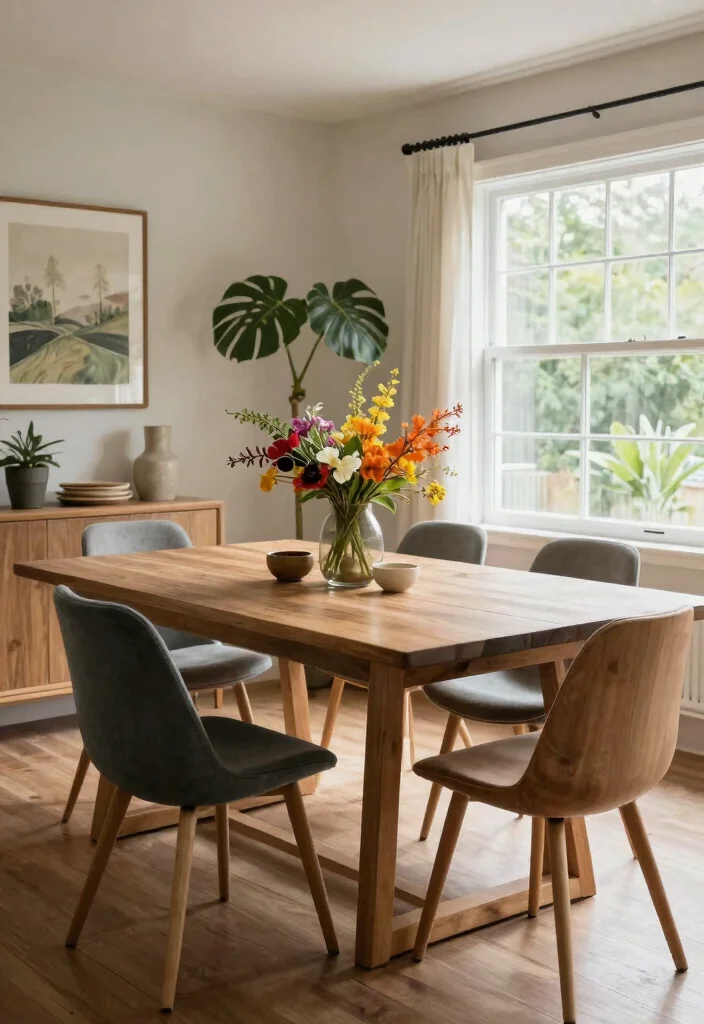
Creating a comfortable and stylish dining room doesn’t have to compromise your eco-friendly values. By incorporating these ideas, you can craft a space that is not only beautiful but also sustainable and inviting.
Whether it’s through furniture choices, decor, or color palettes, each element plays a role in making your dining area a cozy haven for family meals and gatherings. Embrace these tips to design a dining room that reflects your lifestyle and values, and enjoy every moment spent in it.
Note: We aim to provide accurate product links, but some may occasionally expire or become unavailable. If this happens, please search directly on Amazon for the product or a suitable alternative.
This post contains Amazon affiliate links, meaning we may earn a small commission if you purchase through our links, at no extra cost to you.
Frequently Asked Questions
What are some eco-friendly dining room design ideas that still feel modern and cozy?
Eco-friendly doesn’t have to mean minimalist or cold.
Try these ideas to keep dining room design ideas fresh and welcoming: start with eco-friendly furniture such as solid wood or bamboo pieces finished with low-VOC sealants. Use reclaimed wood or FSC-certified materials where possible. Light your space with energy-efficient LEDs and keep natural light flowing. Choose textiles in organic cotton, linen, or wool for dining room decor. Add plants for color and air quality, and layer texture with a jute or sisal rug. Finish with a handful of stylish dining room accessories like handmade ceramics and simple pottery.
The result is truly eco-friendly design that feels inviting and cozy.
How can I arrange dining room furniture for a sustainable, comfortable space?
Start by defining zones and allowing ample circulation.
Measure the room and aim for at least 36 inches of walking space around the table. Choose dining room furniture arrangement that works for everyday meals and for gatherings, using a table with extension leaves and chairs that tuck under when not in use. If space is tight, swap a heavy sideboard for a floating shelf made from reclaimed wood to cut clutter and boost storage. Maintain eco-friendly choices with dining room decor and stylish dining room accessories that are durable and easy to clean. The key is clean lines, flexible seating, and sustainable materials that age gracefully.
What materials and finishes are best for a stylish yet sustainable dining room?
Choose materials that age well and come from responsible sources: solid wood or bamboo with water-based, non-toxic finishes, reclaimed metal accents, cork or ceramic surfaces, and stone or quartz table tops.
Use eco-friendly paints or wallpapers with low VOCs and no toxic off-gassing. For lighting, pick LED fixtures with warm color temperatures to keep a cozy feel in line with modern dining room ideas. Pair with dining room decor like linen napkins and stoneware, and finish with a few stylish dining room accessories that emphasize texture over chrome. This keeps things both sustainable and stylish.
How can I create cozy dining spaces with eco-friendly decor?
Layer natural textures: a wool or linen table runner, cotton napkins, and a jute or sisal rug add warmth without plastic.
Include multiple light sources—overhead LEDs, a floor lamp, and candles in beeswax for ambiance. Fill the space with live plants for color and air quality, and choose warm, earthy colors that feel inviting. Use cozy dining spaces cues like family photos in sustainable frames, handmade dining room accessories such as pottery and woven baskets, and ensure dining room decor stays simple and functional. All of this fits within eco-friendly principles while keeping the room welcoming every day.
What are practical tips to maintain an eco-friendly dining room day-to-day?
Make it easy to sustain by selecting durable pieces and reusable items.
Clean with non-toxic, plant-based cleaners and wash textiles in cold water to save energy. Use energy-saving lighting and smart outlets to reduce standby power. Keep surfaces clean with sustainable cloths, and avoid disposables—swap plastic and paper with cloth napkins and reusable dishes. Rotate decor seasonally to refresh dining room decor without buying new stuff. Finally, add plants or a small hydroponic herb garden for ongoing freshness and better air quality, keeping your dining room design ideas practical and eco-friendly.